Game development sets the stage for this enthralling narrative, offering readers a glimpse into a story that is rich in detail and brimming with originality from the outset. Dive into the world of virtual creativity and innovation as we explore the art and science behind game development.
Overview of Game Development
Game development is the process of creating video games for various platforms, such as consoles, PC, and mobile devices. It plays a crucial role in the entertainment industry, providing interactive and immersive experiences for players worldwide.





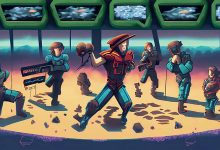
Evolution of Game Development
Game development has evolved significantly over the years, from simple 2D games to complex 3D worlds with realistic graphics and advanced gameplay mechanics. The industry has seen major advancements in technology, tools, and techniques, allowing developers to push the boundaries of what is possible in gaming.
Key Components of Game Development
- Programming: This involves writing code to create the game mechanics, AI behavior, and overall functionality of the game.
- Design: Game design focuses on creating the concept, rules, and overall structure of the game, including level design, characters, and storylines.
- Testing: Testing is a crucial part of game development to ensure that the game is bug-free, balanced, and provides an enjoyable experience for players.
Game Development Process
Game development involves several stages that take a game from concept to release. Each stage is crucial for the successful completion of the game.
Stages of Game Development
The game development process typically includes the following stages:
- Concept and Pre-Production: This stage involves coming up with the initial game idea, creating a game design document, and planning the project.
- Production: During this stage, developers start creating the game assets, coding the game mechanics, and implementing the design.
- Testing: Quality assurance testers play a vital role in this stage by identifying bugs, testing gameplay, and ensuring the game is polished.
- Deployment: The final stage involves preparing the game for release, including marketing, distribution, and post-launch support.
Role of Game Designers, Developers, and Testers
Each member of the game development team plays a crucial role:
- Game Designers: Responsible for creating the game concept, designing gameplay mechanics, and defining the overall player experience.
- Developers: Programmers and artists work together to bring the game to life by writing code, creating visuals, and implementing game features.
- Testers: Quality assurance testers ensure the game is free of bugs and glitches, test gameplay mechanics, and provide feedback for improvements.
Common Challenges in Game Development
Game development can face various challenges, including:
- Technical Limitations: Dealing with hardware constraints or software bugs can hinder development progress.
- Scope Creep: The project scope expanding beyond initial plans can lead to delays and increased costs.
- Team Communication: Poor communication among team members can result in misunderstandings and inefficiencies.
Game Design Principles
Game design is a crucial element in creating engaging gameplay experiences that captivate players and keep them coming back for more. By incorporating various game design principles such as balance, progression, and feedback, developers can craft immersive worlds that resonate with their audience.
Balance
Balance in game design refers to the distribution of challenges and rewards to ensure that gameplay remains fair and enjoyable. This principle is essential for creating a sense of accomplishment and preventing frustration among players. Games like “Dark Souls” and “Overwatch” are known for their well-balanced gameplay mechanics, where skill and strategy are rewarded equally.
Progression
Progression is another key game design principle that involves providing players with a sense of advancement and growth as they navigate through the game. Whether it’s unlocking new abilities, levels, or storylines, progression keeps players motivated and engaged. Titles like “The Legend of Zelda: Breath of the Wild” and “World of Warcraft” excel in offering compelling progression systems that drive player engagement.
Feedback
Feedback is crucial in game design as it informs players of their actions and progress within the game. Whether through visual cues, sound effects, or narrative elements, effective feedback enhances the player experience and guides them towards success. Games like “Celeste” and “Rocket League” leverage feedback mechanisms to provide players with real-time information and encourage skill development.
Programming in Game Development
Programming languages play a crucial role in game development, as they are used to create the underlying logic, behaviors, and interactions within a game. Developers use programming languages to implement game mechanics, artificial intelligence (AI), user interfaces, and various other aspects of a video game.
Most Commonly Used Programming Languages
- C++: Known for its high performance and versatility, C++ is widely used in game development for creating complex game systems and engines.
- C#: Often used with game development engines like Unity, C# is popular for its ease of use and efficiency in developing games for multiple platforms.
- Java: While not as common in AAA game development, Java is often used for mobile game development due to its platform independence and ease of deployment.
- Python: Known for its simplicity and readability, Python is used for rapid prototyping, scripting, and AI development in games.
Role of Programming in Game Mechanics, AI, and User Interfaces
Programming is essential for creating game mechanics that dictate how players interact with the game world, including movement, combat, and progression systems. AI programming is used to create intelligent behaviors for non-player characters (NPCs), enemies, and other entities within the game. Additionally, programming is crucial for designing and implementing user interfaces that provide players with feedback, information, and controls to navigate the game effectively.
Game Art and Animation
Art and animation play a crucial role in game development, as they are responsible for creating the visual elements that bring the game world to life. From character designs to background scenery, every aspect of the game’s aesthetics is crafted by artists and animators to enhance the player experience.
Art Styles in Games
Different art styles are used in games to evoke specific emotions and immerse players in unique worlds. Some common art styles include:
- Pixel Art: Utilizes pixelated graphics reminiscent of retro games, offering a nostalgic and charming aesthetic.
- Cartoonish: Features exaggerated character designs and vibrant colors, creating a fun and whimsical atmosphere.
- Realistic: Focuses on detailed graphics to simulate real-life environments, aiming for immersive and visually stunning experiences.
- Minimalistic: Embraces simplicity with clean lines and minimal colors, allowing players to focus on gameplay mechanics.
Creating Game Art and Animations
The process of creating game art and animations involves several stages, starting from concept art to final assets that are integrated into the game. Artists and animators work closely with game designers and developers to ensure that the visuals align with the overall vision of the game. Key steps in the process include:
- Concept Art: Artists develop initial sketches and designs to establish the visual direction of the game.
- Asset Creation: Artists create detailed assets such as characters, objects, and backgrounds based on the concept art.
- Animation: Animators bring characters and objects to life through movement and actions, enhancing the gameplay experience.
- Integration: The final art and animations are integrated into the game engine, where they interact with other game elements to create a seamless and immersive experience for players.
Game Development Tools
When it comes to game development, having the right tools can make a significant difference in the efficiency and quality of your project. Popular game development tools like Unity, Unreal Engine, and GameMaker Studio are widely used in the industry due to their robust features and capabilities.
Unity
Unity is a versatile game development platform that is known for its user-friendly interface and cross-platform capabilities. It offers a wide range of tools for creating 2D and 3D games, as well as virtual reality and augmented reality experiences.
- Extensive asset store for ready-made assets
- Support for C# programming language
- Strong community support and documentation
Unreal Engine
Unreal Engine is a powerful game engine developed by Epic Games, commonly used for creating high-fidelity graphics and immersive gameplay experiences. It is popular among AAA game developers for its advanced features.
- Blueprint visual scripting for non-programmers
- Advanced rendering capabilities
- Real-time collaboration tools
GameMaker Studio
GameMaker Studio is a beginner-friendly game development tool that allows for rapid prototyping and easy game creation. It is often used by indie developers and students due to its simplicity and accessibility.
- Drag-and-drop interface for quick game development
- Support for GML scripting language
- Multi-platform export options
When selecting the right tools for your game development project, consider factors such as the project scope, team expertise, budget, and target platform. It is essential to choose a tool that aligns with your project requirements and development goals to ensure a smooth and successful development process.
Game Platforms and Distribution
When it comes to game development, choosing the right platform for distribution is crucial. Games can be distributed on various platforms, including PC, consoles, and mobile devices. Each platform has its own unique characteristics and requirements that developers need to consider.
PC
- PC gaming offers a wide audience reach due to the popularity of personal computers.
- Developing games for PC allows for more flexibility in terms of hardware specifications and customization options.
- PC games are typically distributed through digital platforms like Steam, Epic Games Store, and GOG.
Consoles
- Consoles, such as PlayStation, Xbox, and Nintendo Switch, have specific development kits and guidelines that developers must adhere to.
- Games developed for consoles need to undergo certification processes before they can be released to ensure compatibility and quality.
- Console games are distributed through digital storefronts like PlayStation Store, Xbox Live, and Nintendo eShop.
Mobile Devices
- Mobile gaming has seen significant growth in recent years, thanks to the widespread use of smartphones and tablets.
- Developing games for mobile devices requires optimization for different screen sizes, touch controls, and performance limitations.
- Mobile games are often distributed through app stores like Google Play Store and Apple App Store.
It is essential for game developers to consider the target audience, gameplay mechanics, and technical requirements when choosing the platform for distribution.
Monetization Strategies in Game Development
Monetization strategies play a crucial role in the success of a game by determining how developers generate revenue from their creations. Understanding the different models and their impact on game design and player experience is essential for developers looking to create profitable and engaging games.
Free-to-Play Model
The free-to-play model allows players to download and play the game for free, with the option to purchase in-game items or currency. This model relies on a large player base and incentivizes players to make small purchases to enhance their gameplay experience.
- Popular games like Fortnite and Candy Crush Saga have successfully implemented the free-to-play model, generating revenue through in-game purchases while keeping the game accessible to a wide audience.
- Developers must carefully balance the in-game economy to ensure that purchases are optional and do not create a pay-to-win environment that alienates players.
Paid Model
In the paid model, players are required to purchase the game upfront before being able to play. This model guarantees revenue from each player but may limit the game’s reach compared to free-to-play games.
- Games like Minecraft and Stardew Valley have thrived using the paid model, offering a complete experience for a one-time fee.
- Developers must deliver high-quality content and value to justify the upfront cost and maintain player satisfaction.
In-App Purchases
In-app purchases allow players to buy additional content, features, or virtual goods within the game. This model can be used in both free-to-play and paid games to provide additional revenue streams.
- Games like Clash of Clans and Pokémon GO utilize in-app purchases to offer exclusive items or shortcuts to progress, enticing players to spend money for a competitive edge.
- Developers must carefully design in-app purchases to provide value without compromising the core gameplay experience or creating a paywall that hinders player enjoyment.
Game Testing and Quality Assurance
In the world of game development, testing and quality assurance play a crucial role in ensuring the success of a game. It is essential to thoroughly test a game to identify and fix any issues before the release to provide players with a smooth and enjoyable gaming experience.
Types of Testing Approaches
There are different types of testing approaches used in game development to ensure the quality and stability of a game:
- Alpha Testing: This type of testing is done early in the development process and involves testing the game within the development team to identify and fix any major issues.
- Beta Testing: Beta testing involves releasing the game to a selected group of external testers or players to gather feedback on the gameplay experience, performance, and any remaining bugs.
Best Practices for Game Testing
When it comes to ensuring the quality and stability of a game before release, there are some best practices that developers should follow:
- Perform thorough testing at each stage of development to catch and fix issues early on.
- Utilize automated testing tools to streamline the testing process and identify bugs efficiently.
- Engage with a diverse group of testers to gather feedback from different perspectives and ensure a well-rounded testing process.
- Create detailed test plans and documentation to track issues and monitor the progress of testing efforts.
- Allocate sufficient time and resources for testing to address all identified issues and ensure a polished final product.
Trends in Game Development
The landscape of game development is constantly evolving, with new technologies and trends shaping the industry. In this section, we will explore some of the current trends in game development, such as virtual reality, augmented reality, and cloud gaming, and discuss their impact on the future of the industry.
Virtual Reality
Virtual reality (VR) has been gaining momentum in the gaming industry, offering immersive experiences that transport players to virtual worlds. Games like “Beat Saber” and “Half-Life: Alyx” have successfully leveraged VR technology to provide players with unique and engaging gameplay experiences.
Augmented Reality
Augmented reality (AR) blends digital content with the real world, allowing players to interact with virtual elements in their physical environment. Games like “Pokemon Go” have popularized AR gaming, encouraging players to explore their surroundings and discover virtual creatures.
Cloud Gaming
Cloud gaming is revolutionizing how games are played and accessed, allowing players to stream games over the internet without the need for powerful hardware. Platforms like Google Stadia and Microsoft xCloud are leading the way in cloud gaming, offering players the flexibility to play their favorite games on various devices.
Impact of Emerging Technologies
These emerging technologies are reshaping the future of game development by pushing the boundaries of what is possible in terms of gameplay, immersion, and accessibility. As technology continues to advance, we can expect to see even more innovative and groundbreaking games that take advantage of these trends.
Game Development Community and Resources
The game development community plays a crucial role in providing support, networking opportunities, and collaboration for aspiring game developers. Being a part of this community can help individuals stay connected, learn from experienced professionals, and find resources to enhance their skills.
Valuable Resources for Aspiring Game Developers
- Forums such as GameDev.net and Unity Forums provide platforms for developers to ask questions, share knowledge, and seek advice from industry experts.
- Websites like Gamasutra, IndieDB, and itch.io offer valuable articles, tutorials, and tools to help developers improve their craft and stay updated on industry trends.
- Events like Game Developers Conference (GDC), PAX, and IndieCade offer opportunities to network, attend workshops, and showcase games to a wider audience.
Tips for Staying Updated in the Game Development Industry
- Follow key influencers and game development studios on social media platforms like Twitter, LinkedIn, and Discord to stay informed about the latest news, job opportunities, and industry insights.
- Subscribe to industry publications and newsletters such as Develop, Game Informer, and Polygon to receive regular updates on trends, technologies, and upcoming game releases.
- Participate in game jams, hackathons, and online challenges to sharpen your skills, collaborate with other developers, and explore new ideas in a creative environment.
Conclusion
Embark on your game development journey armed with a deeper understanding of the intricacies involved in creating compelling gameplay experiences. Let your creativity soar as you navigate through the vast landscape of possibilities within the realm of game development.

Storyteller and digital explorer covering the latest updates in business and lifestyle.