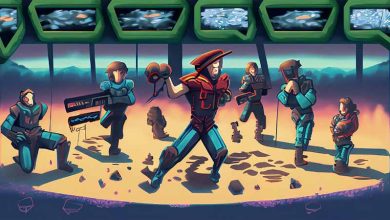
Starting with game graphics, the visual elements in gaming are essential for creating immersive experiences that captivate players.
High-quality graphics not only enhance player engagement and enjoyment but also play a crucial role in defining the overall gaming experience.






Importance of Game Graphics
High-quality game graphics play a crucial role in creating immersive gameplay experiences for players. Realistic and visually appealing graphics can enhance player engagement and enjoyment, making the gaming experience more captivating and memorable.
Enhanced Player Engagement
Realistic graphics in games have the power to transport players into the virtual world, allowing them to feel more connected to the game environment and characters. The attention to detail in graphics can evoke emotions and reactions from players, keeping them invested in the gameplay and storyline.
Impact on Player Retention
Poor graphics in games can have a significant negative impact on player retention. Players are more likely to lose interest or become frustrated with a game that has outdated or low-quality graphics. This can lead to a decrease in player engagement, resulting in a less enjoyable gaming experience overall.
Evolution of Game Graphics
The evolution of game graphics has been a fascinating journey, starting from the early days of pixelated 2D graphics to the immersive and realistic 3D environments we see in modern games today. Advancements in technology have played a pivotal role in shaping the way game graphics have improved over the years, pushing the boundaries of what is possible in terms of visual fidelity and immersion.
Early Pixelated 2D Graphics
In the early days of gaming, graphics were limited to simple pixelated 2D images that lacked detail and realism. Games like Pac-Man and Space Invaders were iconic examples of this era, where visuals were basic and relied heavily on the player’s imagination to fill in the gaps.
Transition to 3D Environments
As technology progressed, the transition to 3D environments revolutionized game graphics. Games like Super Mario 64 and Tomb Raider showcased the potential of 3D graphics, allowing for more immersive worlds and realistic characters. This shift opened up new possibilities for game developers to create expansive and visually stunning worlds for players to explore.
Advancements in Technology
The advancements in technology, such as improved hardware capabilities and sophisticated rendering techniques, have greatly influenced the improvement of game graphics. The introduction of high-definition displays, advanced lighting effects, and realistic physics engines have elevated the visual quality of games to new heights, blurring the lines between reality and virtual worlds.
Comparison of Classic vs. Modern Games
When comparing classic games to modern games, the difference in graphics is staggering. Classic games relied on simple sprites and limited color palettes, while modern games boast intricate textures, detailed environments, and lifelike character animations. The level of detail and realism in modern games is a testament to how far game graphics have come since the early days of gaming.
Role of Art Direction in Game Graphics
Art direction in video game development refers to the overall visual style and aesthetic direction of a game. It involves making creative decisions about color schemes, character designs, environments, and other visual elements to ensure a cohesive and engaging gaming experience.
Art direction plays a crucial role in influencing the overall look and feel of a game. It sets the tone, mood, and atmosphere of the game world, helping to immerse players in the gaming experience. A strong art direction can enhance storytelling, evoke emotions, and create a memorable and distinctive visual identity for a game.
Examples of Games with Exceptional Art Direction
- Okami: This action-adventure game for the PlayStation 2 and later platforms is known for its unique cel-shaded art style inspired by Japanese sumi-e ink wash painting. The art direction in Okami not only compliments the game’s narrative but also brings the world to life in a visually stunning way.
- Cuphead: Cuphead is a run-and-gun indie game with a distinctive 1930s cartoon art style. The hand-drawn animations and vibrant color palette pay homage to the golden age of animation, setting it apart from other modern games and earning critical acclaim for its art direction.
- Journey: Journey is an indie adventure game known for its minimalist art style and breathtaking desert landscapes. The art direction in Journey creates a sense of wonder and solitude, enhancing the emotional journey of the player as they traverse the vast and mysterious world.
Techniques for Achieving Realistic Game Graphics
Creating realistic game graphics involves a combination of various techniques to bring virtual worlds to life. This includes paying attention to details such as lighting, shadows, textures, animations, and post-processing effects.
Importance of Lighting, Shadows, Textures, and Animations
- Lighting: Proper lighting can dramatically impact the mood and atmosphere of a game. Realistic lighting effects can make scenes feel more immersive and believable.
- Shadows: Shadows help to ground objects in the game world, providing depth and realism. Dynamic shadows that change based on the position of light sources add to the overall visual quality.
- Textures: Textures add surface detail to objects in the game, making them appear more realistic. High-quality textures can make environments and characters look more lifelike.
- Animations: Smooth and realistic animations bring characters and objects to life. Fluid movements and realistic reactions enhance the player’s experience and make the game world feel more authentic.
Role of Post-Processing Effects
Post-processing effects are used to enhance the overall look of game graphics, adding polish and realism to the visuals. These effects can include:
- Depth of Field: Simulating how a camera focuses on objects in the foreground or background, creating a more cinematic look.
- Motion Blur: Adding motion blur to fast-moving objects or camera movements to mimic the way our eyes perceive motion in real life.
- Bloom: Creating a soft, glowing effect around bright objects, adding a sense of realism and beauty to the scene.
- Color Grading: Adjusting the color tones and hues of the game to evoke specific emotions or set the mood for different environments.
Impact of Hardware on Game Graphics
Advancements in hardware technology have played a crucial role in pushing the boundaries of game graphics. The continuous development of graphic cards, processors, and other components has enabled game developers to create visually stunning and immersive gaming experiences. Let’s delve deeper into how hardware impacts game graphics.
Relationship between Hardware Capabilities and Graphical Fidelity
The level of graphical fidelity in games is directly influenced by the capabilities of the hardware running the game. Powerful graphic cards with advanced GPUs can render complex textures, lighting effects, and high-resolution graphics with ease. Similarly, fast processors and ample RAM enable smooth gameplay and quick rendering of in-game assets.
- High-end hardware allows for realistic physics simulations, dynamic lighting, and intricate character animations, enhancing the overall visual quality of games.
- Advanced hardware features like ray tracing and AI-driven rendering techniques enable developers to achieve unprecedented levels of realism and immersion in games.
- Hardware limitations, on the other hand, can lead to compromises in graphical quality, such as lower resolutions, reduced texture details, and limited special effects.
Challenges in Optimizing Graphics for Different Hardware Configurations
Developers face the challenge of optimizing game graphics to perform well across a wide range of hardware configurations. This involves tweaking settings, adjusting graphical effects, and implementing performance optimizations to ensure a smooth gaming experience for all players, regardless of their hardware setup.
- Developers often need to scale graphics settings based on the capabilities of the player’s hardware, offering options for low, medium, and high graphical presets.
- Compatibility issues may arise when trying to implement cutting-edge graphical features on older or less powerful hardware, requiring developers to find a balance between visual quality and performance.
- Optimizing graphics for consoles, PCs, and mobile devices further adds complexity to the development process, as each platform has its own set of hardware limitations and capabilities.
Art Style Versus Realism in Game Graphics
Art style plays a crucial role in shaping the visual identity of a game, often balancing between artistic expression and realism to create immersive experiences for players. Different art styles, such as cel-shading, photorealism, and pixel art, offer unique approaches to conveying the game’s world and narrative.
Cel-Shading
Cel-shading is a popular art style known for its cartoon-like appearance with bold, black outlines and flat colors. This style is often used to mimic the look of traditional hand-drawn animation, providing a stylized and vibrant aesthetic to games like “The Legend of Zelda: The Wind Waker” or “Borderlands.”
Photorealism
Photorealism aims to create graphics that closely resemble real-life visuals, often achieved through advanced rendering techniques and high-resolution textures. Games like “Uncharted 4: A Thief’s End” or “Red Dead Redemption 2” are known for their stunning photorealistic graphics, blurring the lines between the virtual and real world.
Pixel Art
Pixel art embraces the nostalgic charm of retro games by using blocky, pixelated graphics to evoke a sense of simplicity and elegance. Titles like “Stardew Valley” or “Hyper Light Drifter” showcase the beauty of pixel art, proving that detailed storytelling and engaging gameplay can shine through limited graphical fidelity.
The choice of art style can significantly impact the overall visual appeal of a game, setting the tone, atmosphere, and emotional resonance for players. Whether aiming for a stylized, whimsical world or a gritty, hyper-realistic environment, the art direction plays a crucial role in shaping the player’s perception and engagement with the game world.
User Interface Design and Game Graphics
User Interface (UI) design plays a crucial role in complementing game graphics by providing players with a seamless and engaging gaming experience. A well-designed UI can enhance the overall visual appeal of a game, making it easier for players to navigate through different levels, access game features, and understand important information.
Importance of User Interface Design
A user-friendly UI design can significantly impact the player’s immersion in the game world. It helps in maintaining consistency with the game’s visual style, ensuring that all elements, from menus to on-screen displays, blend seamlessly with the graphics. Moreover, a well-crafted UI can improve player engagement, making interactions with the game more intuitive and enjoyable.
- Clear and intuitive navigation menus can guide players through various game options without causing confusion.
- Interactive elements like health bars, minimaps, and objective markers can enhance the gameplay experience by providing essential information in a visually appealing manner.
- Customizable UI options allow players to personalize their gaming experience, making it more accessible and enjoyable for a diverse audience.
Examples of Innovative UI Design
Some games have set a benchmark for innovative UI design that seamlessly integrates with the graphics, enhancing the overall visual experience. For example:
-
Dead Space:
The UI in Dead Space is cleverly integrated into the game world, with health and ammo indicators displayed on the protagonist’s suit, creating a more immersive and cinematic experience.
-
Hollow Knight:
The minimalist UI design in Hollow Knight blends seamlessly with the hand-drawn art style of the game, providing players with essential information without cluttering the screen.
-
Overwatch:
The dynamic UI elements in Overwatch, such as character abilities and ultimate charge indicators, help players strategize effectively during fast-paced gameplay, enhancing the competitive experience.
Accessibility and Inclusivity in Game Graphics
Accessibility and inclusivity in game graphics play a crucial role in ensuring that all players, including those with disabilities, can fully enjoy and engage with the gaming experience. By incorporating features that cater to a diverse range of players, developers can create a more inclusive and welcoming environment for everyone.
Importance of Designing Game Graphics with Accessibility Features
Designing game graphics with accessibility features is essential to ensure that players with disabilities can participate in gaming activities without facing unnecessary barriers. Features such as colorblind modes, customizable UI elements, and text-to-speech options can make games more accessible to a wider audience, enhancing the overall gaming experience for all players.
Impact of Inclusive Graphic Design on the Overall Success of a Game
Inclusive graphic design not only benefits players with disabilities but also contributes to the overall success and reach of a game. By making games more accessible, developers can attract a larger player base and foster a more inclusive gaming community. This, in turn, can lead to increased engagement, positive reviews, and ultimately, greater success for the game.
Future Trends in Game Graphics
The future of game graphics holds exciting possibilities, with advancements in technology paving the way for more immersive and realistic gaming experiences. Emerging trends like ray tracing, virtual reality, and photogrammetry are set to revolutionize the way games look and feel. Additionally, the integration of AI and machine learning is shaping the future of game graphics by enhancing rendering techniques, creating more dynamic environments, and improving character animations.
Ray Tracing
Ray tracing technology is poised to become more prevalent in the gaming industry, offering stunning visual effects like realistic lighting, shadows, and reflections. This technique simulates the behavior of light in a scene, resulting in unparalleled visual fidelity and immersion for players.
Virtual Reality
Virtual reality (VR) is another trend that is expected to impact game graphics significantly. VR technology enables players to step into virtual worlds and interact with environments in a more realistic way. Game developers are increasingly focusing on creating immersive VR experiences that push the boundaries of visual realism.
Photogrammetry
Photogrammetry is a technique that involves capturing real-world objects and environments through photographs and converting them into detailed 3D models. This technology is set to enhance game graphics by allowing developers to create lifelike textures and assets based on real-world data, resulting in more authentic and detailed game worlds.
AI and Machine Learning
The integration of AI and machine learning algorithms in game development is opening up new possibilities for enhancing game graphics. These technologies can be used to optimize rendering processes, generate realistic animations, and improve overall visual quality. AI-driven tools are increasingly being employed to streamline the game development pipeline and create more visually stunning games.
Challenges and Opportunities
While the future of game graphics looks promising, there are also challenges that lie ahead. As graphics technology advances, developers will need to ensure that games remain accessible and optimized for a wide range of hardware configurations. Additionally, the increasing complexity of game graphics may require more robust optimization techniques to maintain performance without sacrificing visual quality. However, these challenges also present opportunities for innovation and creativity in pushing the boundaries of what is possible in game graphics.
Last Point
To sum up, the evolution of game graphics has come a long way, impacting player retention, user interface design, and the future trends in the gaming industry.

Storyteller and digital explorer covering the latest updates in business and lifestyle.